
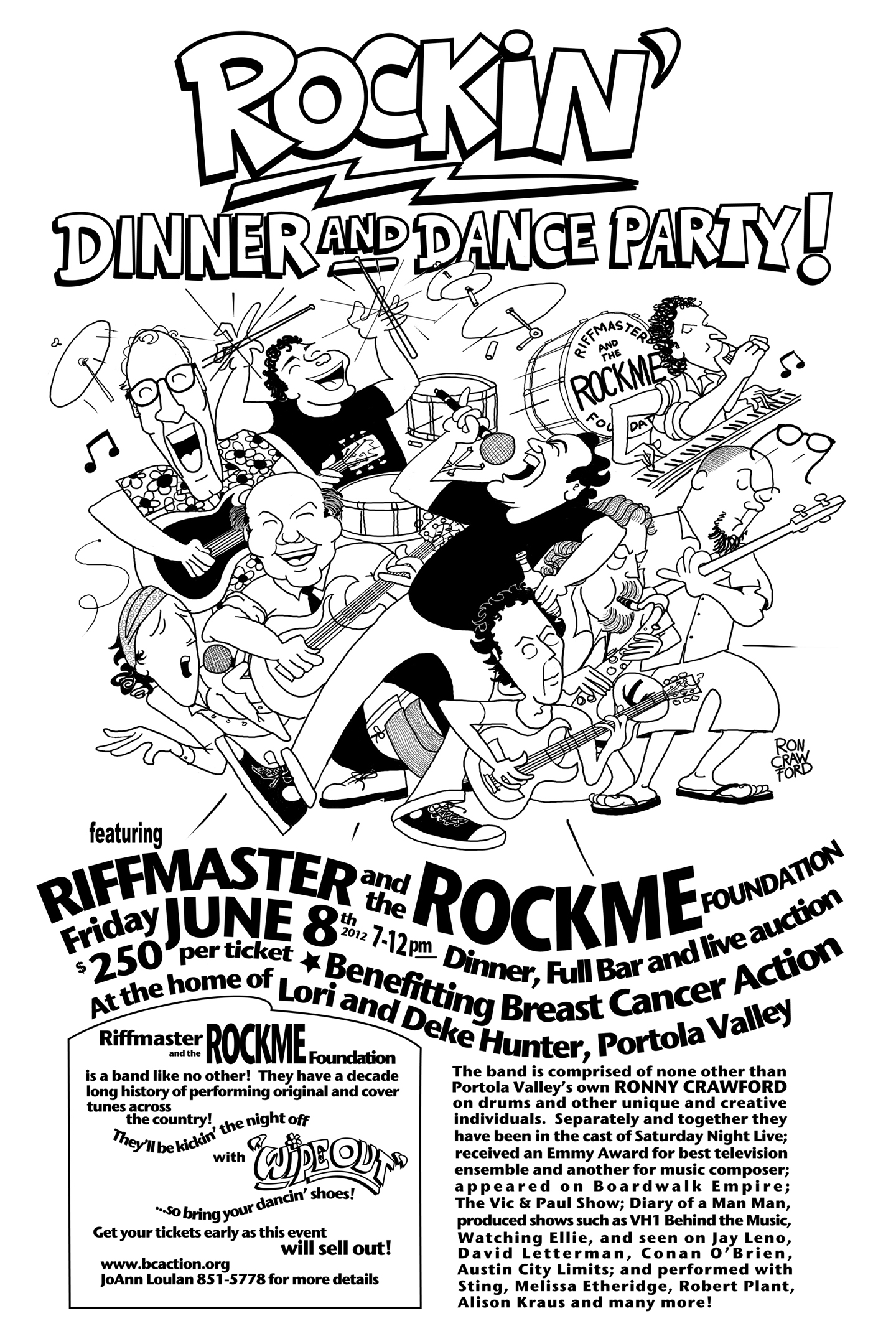
 Poster by Ron Crawford, of course!
Riffmaster & The Rockmes in No Cal: Rock & Roll Rebels for a Good Cause.
Poster by Ron Crawford, of course!
Filed under Music
Victory in the Land of Lincoln?

 So, Mitt Romney won the GOP Primary in the great Midwest state of Illinois. He clobbered the prudish religious zealot Rick Santorum and probably assured his nomination as the Republican candidate for the Presidency. But what does Mitt’s victory in the Land of Lincoln really mean?
Not much.
First of all, let’s look at Illinois Republican Primary voter enthusiasm in 2012. Were this year’s GOP voters in Illinois more psyched up to vote than they were when they lost the Presidency to the state’s favorite son Barack Obama in 2008?
Not really.
 About 902,214 Republicans cast their votes in this year’s GOP primary. That’s less than a million votes in a state with more than 7 million registered voters: so much for enthusiasm.
A total of 899,422 Illinois Republicans voted in 2008. So, four years after living through President Obama’s first term, less than 3,000 more Republicans statewide went to the polls to help kick Obama out of office. Not exactly a groundswell of opposition.
This year’s Illinois Republican Primary saw an even greater level of indifference than four years ago – when McCain wound up losing Illinois in a landslide.
In 2008, John McCain won 426,777 GOP votes in my wife’s beloved home state. In 2012, Romney won 427,911. So, Mitt won just 1,200 votes more than McCain did – in a year with 80,000 more registered voters in play statewide. That’s some victory, huh?
So, how do you think President Obama is reacting to Romney’s “victory” in Illinois? Probably something like this…
Filed under Politics
See “Madman” Now!
 My brilliant friend Rush Pearson is appearing for just one more week in his one-man show “Diary of a Madman” at The Prop Theatre in Chicago. If you live anywhere near the Chicagoland area — don’t miss it. It’s a compelling, entertaining, very funny show performed by a one-of-a-kind talent.
I’ve known Rush Pearson for 35 years. I’ve written, improvised, rocked and acted onstage with him many, many times. But “Diary of a Madman” just might be Rush’s finest theatrical moment. It is not to be missed.
Get your tickets now at: http://www.brownpapertickets.com/event/227520
But don’t take my word for it. Though I rarely devote my blog posts to the words of others — I urge you to read Neil Steinberg’s review of Rush’s show in The Chicago Sun Times…

Neil Steinberg
Gogol’s Madman Challenges Us All
By NEIL STEINBERG
Chicago Sun Times February 28, 2012
Madness is a universal human condition. Wherever there are people, across the world and throughout history, there are also crazy people, though we don’t like to think about it. Hard enough to notice the insane right here, wandering the streets of Chicago, never mind trying to focus our attention on disturbed beggars in India, or to wonder about the deranged in 1725, lurching about London, their stockings around their ankles, their wigs askew.
Which is what makes “Diary of a Madman” such a treasure, because Nikolai Gogol wrote it in 1835, and it not only is a near-clinical rendition of gathering mental illness — the ballooning self-regard, the fading of reality, the bursts of anger then sudden calm. But it is madness in Czarist Russia almost 200 years ago, one preoccupied with rank, servants, quills, boots and coaches.
 Saturday night I saw the one-man show of “Diary” performed by Rush Pearson at the Prop Theatre on Elston Avenue, and it is a disturbing delight. Anyone who knows Rush — and I met him 30 years ago when we were at Northwestern — will joke that his playing Gogol’s unhinged bureaucrat is type-casting. He wasn’t just an actor, but an edgy no-limits wildman, one of those permanent students lingering years after graduation, forgetting to become an adult. Longhaired and big-bearded at a time when people weren’t, particularly people at NU, he lived on cadged food and the sofas of friends, who valued his energy and inherent good humor, the twinkle behind the manic behavior.
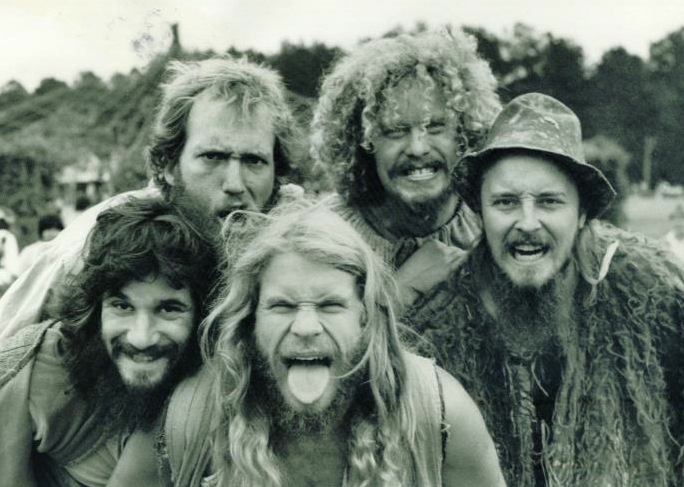 He was the star of the Practical Theatre Company, acting in hysterically funny comic reviews along with Julia Louis-Dreyfus, Gary Kroeger, Brad Hall and Paul Barrosse. He also worked at Renaissance fairs, as a mud eater, and when producers from “Saturday Night Live” famously swept into Chicago to raid Practical, hiring Louis-Dreyfus and three others, Rush, the funniest of them all, was off in Texas, eating mud.
That became his career. His Sturdy Beggars are a fixture every summer at the Renaissance Faire in Bristol, Wis., a freewheeling three-man vaudeville performed in a pit of mud, a mix of surprisingly witty wordplay and pratfalls in oozing filth.
Needless to say, I leapt to see Rush perform Gogol. Not a common impulse, apparently — there were 15 others in the audience the night I saw him (and two were other Steinbergs, plus comic Aaron Freeman and his daughter Artemis). The week before, Rush performed for three people one night. That’s tragic itself.
 The show is a 90-minute exploration of one man’s sad descent from being Poprishchin, a minor Russian clerk, beset by humiliations and in love above his rank, to Ferdinand the Eighth, King of Spain, in his own mind, desperately trying to maintain royal dignity in a lunatic asylum.
Pearson prowls the room, and a key pleasure of the show is watching his face collapse from beaming, glittery-eyed triumph, marveling at the brilliance of his own observations, into an elderly bewilderment and despair, his mouth a scowl, his eyes blank.
Some people don’t want to be challenged by drama — they want theater to be something pleasant happening on a stage 30 yards away. They do not want a sweaty, bearded maniac’s contorted face raving a foot from theirs. This play is not for them. I loved it.
To me, while we are not all mad, we share the madman’s dilemma. “Why am I clerk?” he cries. “On what grounds? For what reason should I be a clerk?” And then a terrible solution presents itself. “Perhaps I’m not a clerk . . .”
There is no profundity in saying the world has gone mad — it was a cliche centuries ago (“Mad world!” Shakespeare writes.) But I couldn’t help recognize in the twisted thinking of Poprishchin — the vanity, the dismissal of others, the imaginary threats, preferring to see a reality where dogs write letters rather than accept life as it is — the contours of our troubled political moment, where too many Americans embrace any conspiracy, cling to any delusion, rather than tolerate a world where they are not king.
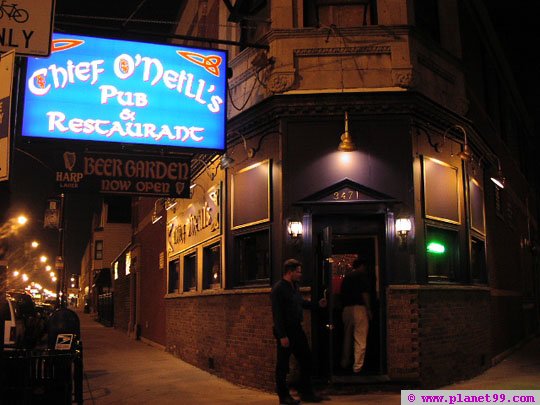 The show runs weekends at Prop Theatre, 3502 N. Elston, until March 25. There’s a first-rate Irish place, Chief O’Neill’s Pub, almost directly across the street, and you might want to work that into your plans, too.
Have you ordered your tickets yet! Get them at: http://www.brownpapertickets.com/event/227520
26 Seconds to Justice…
 This video was sent to me by my friend Melissa from Kansas. As I write this, it’s gotten over 583,000 views on YouTube.
Why, amid the viral clutter of cute cat videos and monkeys riding backwards on pigs has this video become such a hit?
Because it delivers — in 26 seconds — something that’s all too rare in this life: a clear example of justice.
150 Years Ago Today…
 It’s another interesting day in the Sesquicentennial of The American Civil War.
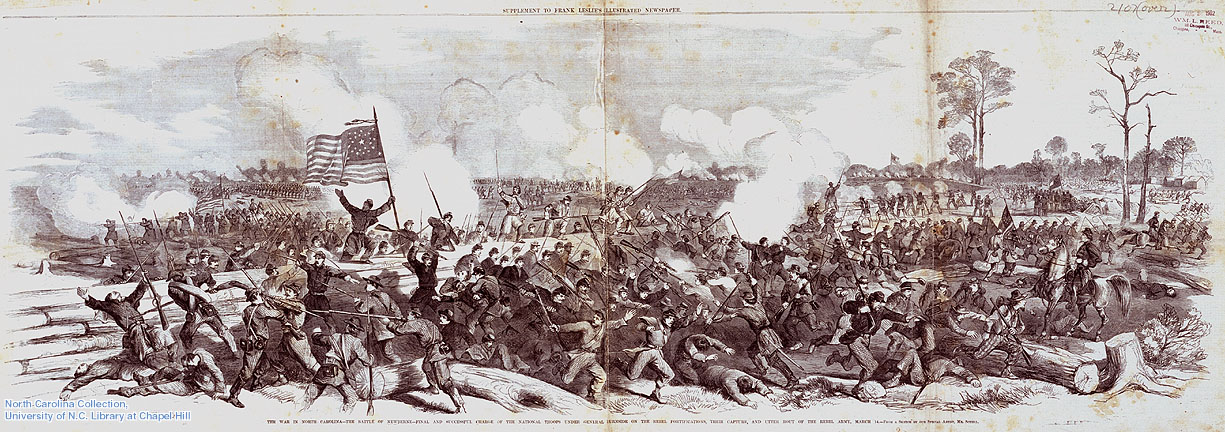
150 years ago today two little known events took place on Civil War battlefields in the Eastern and Western theatres of the conflict. And while few remember this day on the Civil War calendar, it was a pivotal one. On March 14, 1862 the South lost two key places on their map that they’d never regain: on the Atlantic coast of North Carolina — and on the western shore of the Mississippi River.
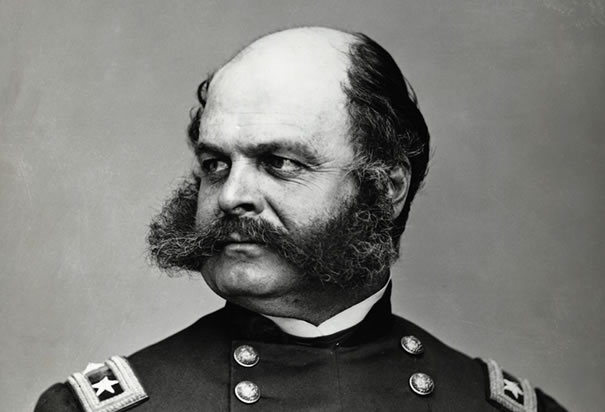
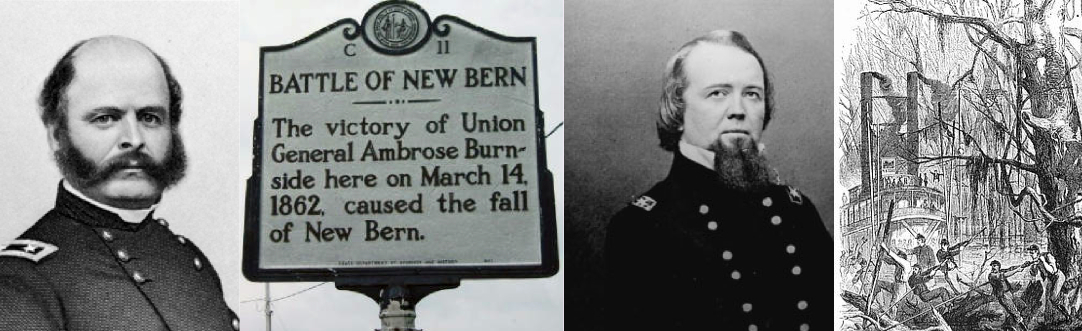
General Ambrose Burnside
Some have called March 14, 1862 “The Day Ambrose Burnside Drove Old Dixie Down” – and with apologies to Robbie Robertson and The Band – there’s some truth to that, because 150 years ago, General Burnside fought and won The Battle of New Bern (AKA The Battle of New Berne).
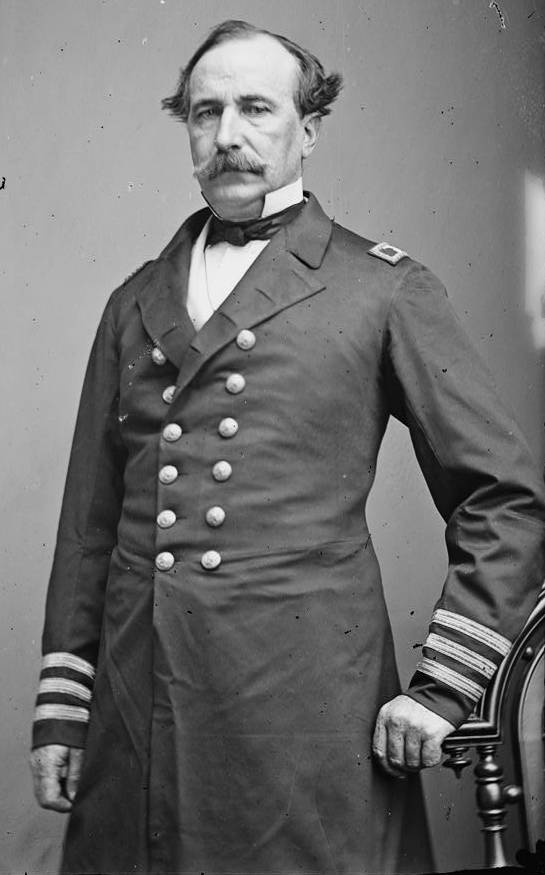
Commodore Stephen C. Rowan
Brigadier General Ambrose E. Burnside’s 12,000 Union troops, many of them battle-tested veterans, were backed by 13 gunboats commanded by Commodore Stephen C. Rowan of the Union Navy. This powerful, combined Union Army-Navy operation confronted a relatively untrained and ill-equipped Confederate force of 4,500 North Carolina soldiers and militia led by Brigadier General Lawrence O’Bryan Branch, a political general who represented North Carolina in the U.S. Congress before the war. (Branch was ultimately killed just six months after New Bern at the Battle of Antietam.)
 Naval cannon bombarded the Confederate line in the early hours of March 14th. Outgunned and outmanned, the Confederates fought behind their breastworks for almost 4 hours until the attacking Federal troops penetrated a weak spot in the center of the Rebel line — causing the green, unsteady militiamen to waver and break, leading the whole Confederate force to retreat.
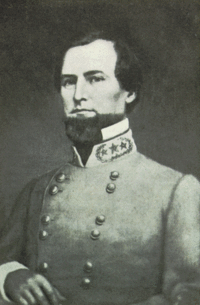
General Branch
General Branch could not stop the rout and New Bern came under Federal control for the duration of the war.
The Union army had gained a strategic toehold on the North Carolina coast. The Confederacy gave up a valuable port and railroad terminal it could not afford to lose.
The highlight of New Berne for the South was the courage and leadership displayed by North Carolina’s future wartime governor, Zebulon Vance of the 26th North Carolina Infantry.
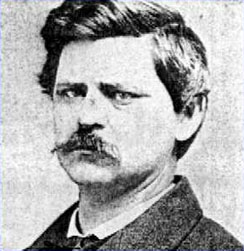
Zebulon Vance
Vance and his handful of defenders held off a vastly superior Union force, preventing damage to New Bern and it’s populace by delaying the Federal onslaught. But New Bern fell, and by December 1862 a Federal army of well over 20,000 troops were stationed in the town once known as “The Athens of the South”.
It’s ironic to note that while Brig. Gen. Branch was getting killed in September 1862 — six months after New Bern – that same month Zebulon Vance won the North Carolina gubernatorial election.
Meanwhile that same day, on the Missouri shore of The Mississippi River, the guns had fallen silent after The Battle of New Madrid.
 Before the Battle of New Madrid, that small Missouri town was best known as the epicenter of a series of epic earthquakes that shook the entire Midwest 50 years earlier, between December 16, 1811 and February 7, 1812. The last major temblor in the series was a magnitude 7.7 quake that destroyed New Madrid and changed the course of the Mississippi River.
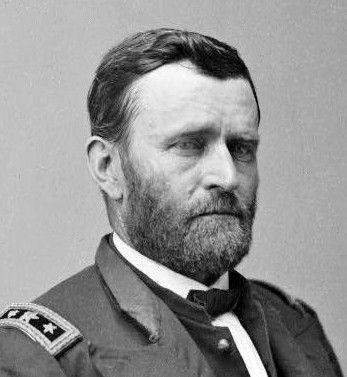
General U.S. Grant
The unheralded Battle of New Madrid would help to change the course of the war.
In February of 1862, the unknown upstart General U.S. Grant began to break the South’s grip on the Mississippi River by his bold captures of Fort Henry and Fort Donelson, forcing the renowned Confederate commander in the west, General Albert Sidney Johnston, to fall back to a new defensive line blocking the Mississippi at New Madrid and Island No. 10. Grant was not the only Union general on the move in the area at the time.

General John Pope
General John Pope had orders to capture New Madrid and Island No. 10. Pope’s army numbered 18,547 “present for duty” when he began his siege of New Madrid on March 3, 1862. Nine days later, Pope reported that he was facing 9,000 Confederate defenders at New Madrid — the same day his siege guns arrived. The next day, on the morning of March 13, Pope opened his gunboat, mortar and cannon bombardment — beginning an artillery exchange that lasted most of the day.
 Meanwhile, Pope’s infantrymen made use of their shovels, slowly advancing their trenches ever closer to the Confederate defensive lines. Realizing that defeat was imminent, the Confederates evacuated New Madrid and made their escape to the opposite bank of the Mississippi.
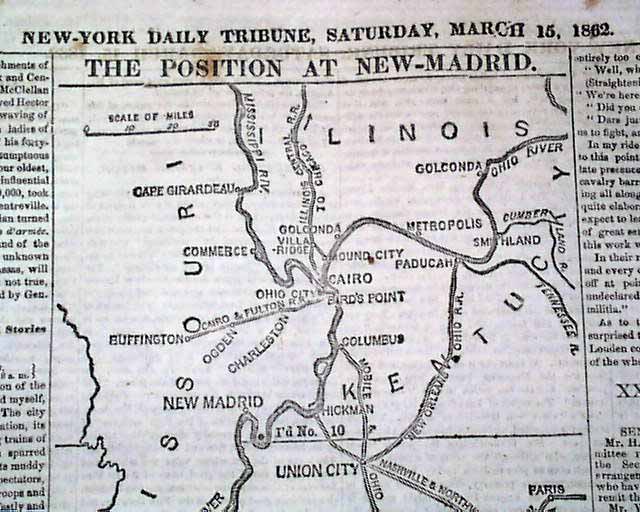 The following morning, on March 14th, Pope’s troops formed ranks, prepared for a final, bloody assault on the enemy line – when Rebel pickets appeared with a flag of truce. General Pope had captured a key Confederate position on the Mississippi River with remarkably few losses. In the Battle of New Madrid, Pope’s army lost just 8 dead, 21 wounded and 3 missing. But while this was the beginning of the end of the Confederate army in the west, much, much more blood would be shed before the South, like the defenders of New Madrid, bowed to the inevitable.
The Battles of New Bern and New Madrid: 150 years ago today in The American Civil War.
Filed under History
Ms. Maura Sings the Blues…


The talented and brilliantly bluesy songstress Ms. Maura, backed by her friend and guitarist Lynz Floren, performed at club TRIP in Santa Monica on Friday night, March 9th. I was lucky enough to be there – and here’s a sampler of iPhone video from her very groovy set.
 According to Ms. Maura, here’s what you need to know as you listen to this selection from their sultry, soulful set.
“Combining the stylistically-varied vocals of Ms. Maura with the textured guitar-work of Lynz Floren, this acoustic duo performs dynamic original songs along with some token obscure covers. He of large stature, she of large voice, they met in 2001 as students at UC Santa Cruz. They lost touch for several years but recently reacquainted and found themselves on a common musical journey.”
30 Years Ago…
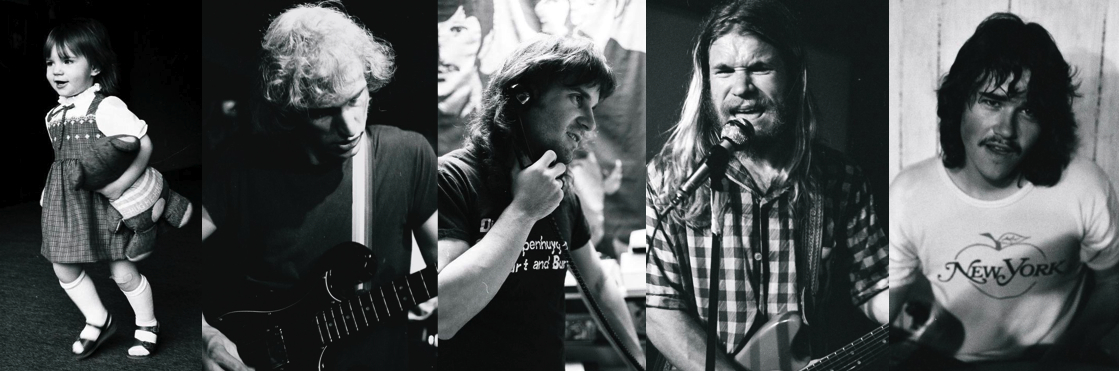
 We measure our lives in years, but we experience life moment to moment. Some moments in time are more memorable than others. Some are unforgettable. And yet, even our most remarkable moments become generalized in our memories. Years later, we no longer see them in sharp focus. What we remember becomes wrapped in gauze: kept warm and fuzzy.
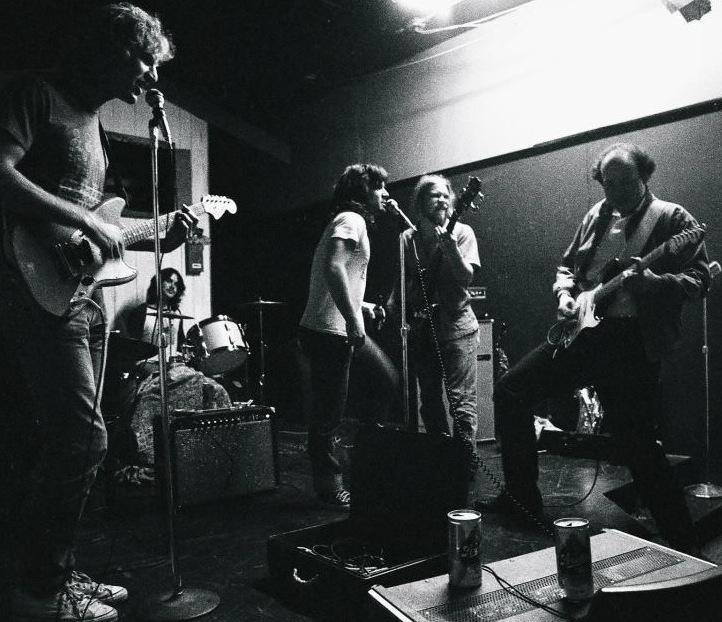 And then sometimes, even after three busy, event-filled decades, something can stir the memory of a special time in your life and you relive a moment you thought you remembered well — but hadn’t really seen clearly for a long, long while.
Recently, my good friend and college roommate Rob Mendel brought a wonderful moment in time back to life when he posted a vivid series of photographs he took in and around The Practical Theatre on Howard Street in Evanston, on the northern border of Chicago, in the winter of 1981-82.
 The halcyon moment in time that Rob captured with his camera was charged with a mix of creativity and youthful energy that would ultimately – in just six more months – change our lives in an unexpected and dramatic way.
It would be, perhaps, too precious to say that Robbie caught us in the last relatively innocent and naïve moment of our young adult lives. But he did.
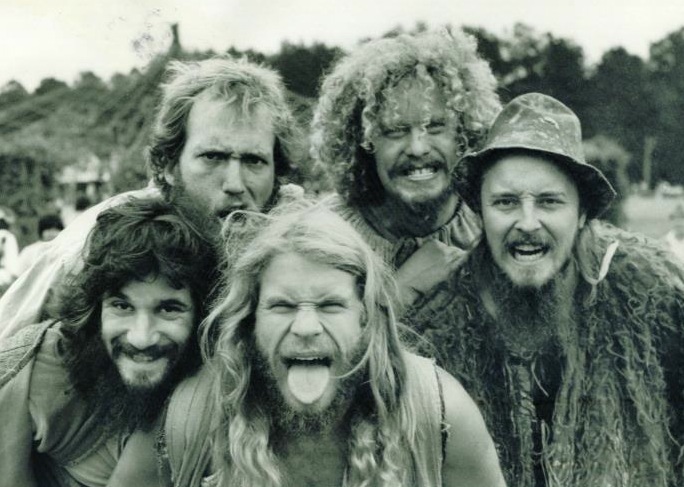 Asked for his recollections of how he came to take this trove of photos, Rob replied, “I can hardly remember! It was after traveling back to Evanston from Texas on the Big O with Rush, I think. “Beggars Holiday” was in rehearsal. We took publicity shots for that. But am I mixing it up?”
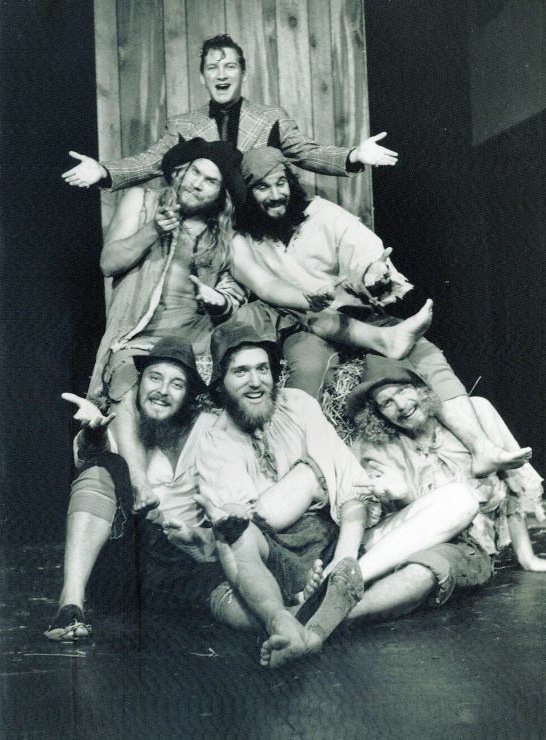 Not really. Beggar’s Holiday opened at The PTC’s John Lennon Auditorium at 703 Howard Street on November 28, 1981 – so Rob’s publicity photos must have been taken in early November, soon after we (The Sturdy Beggars) got back from our muddy stint at The Texas Renaissance Festival.
“The Rockmes were rehearsing, I had my camera with me. I took pix of the Beggars in Texas and again in Evanston.”
Now, here Rob’s memory begins to fade.
 Rob’s photos of The PTC’s house band Riffmaster & The Rockme Foundation in rehearsal at the JLA were clearly taken after Beggar’s Holiday closed and our 1982 season opener, the improvisational comedy revue The Brothers Bubba, was in rehearsal.
You can tell because I’ve shaved my beggar beard.
So, Rob’s photos of the Rockmes in rehearsal must have been taken in the first months of 1982 – exactly 30 years ago!
The band was formed late in the spring of ’81, and had been playing together less than a year when these shots were snapped.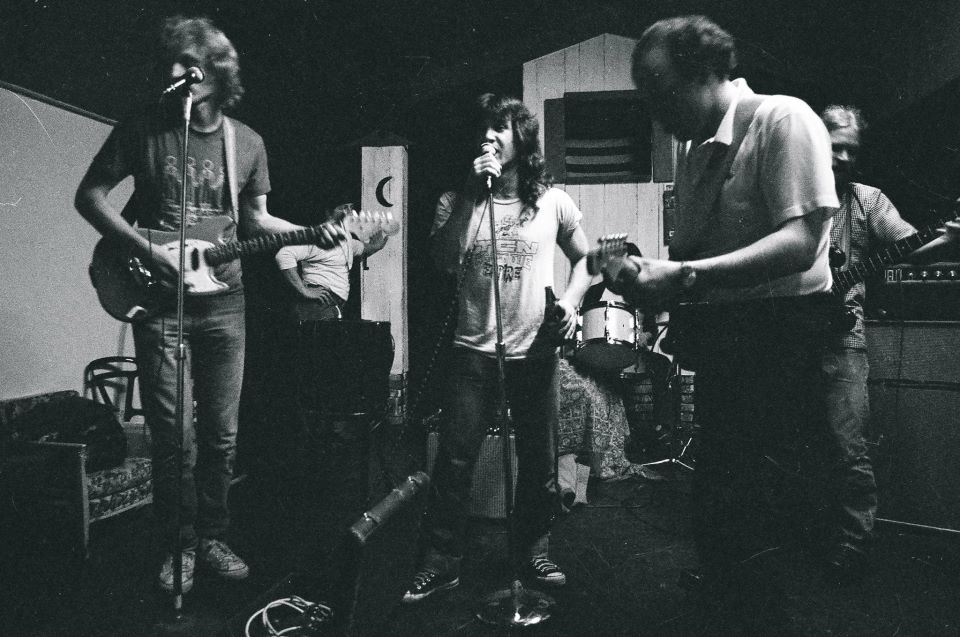
 Looking at the eager, earnest, passionate (and hairy) young garage band that Rob got on film that day in the winter of ’82 – it’s deeply satisfying to know that the Rockme adventure has continued.
In fact, the band shown in these pics is the same group of guys that still manage to reunite and rock together to this day.
Next gig? June 8th in Portola Valley, California. The beat goes on…
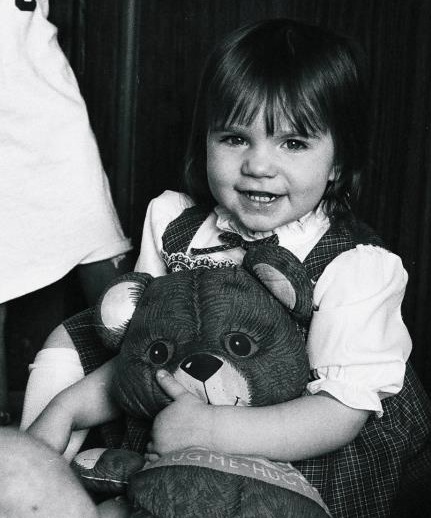
 “Mo was two. I took her to the playground a couple of times… Used to chant, “She’s still a baby!” and she’d respond, “I’m not a baby!” She was the cutest thing!”
Okay, these photos just melt my heart. My daughter Maura was, indeed, the cutest thing. Little Mo was less than two years old at the time. (She turned two on July 3rd, 1982.) Rob snapped her in the lobby of The John Lennon Auditorium – with the “Build-a-Bear” that my mom made for her. Rob also shot this portrait of Maura in the lobby of the JLA with her Godfather Rush Pearson.
 And with Uncle Brad Hall, our mascot Sri Abdul Aziz, and Godfather Rush.
 Here’s the delightful toddler Maura with her dad a few doors west up Howard Street from the JLA at the legendary Cottage Restaurant, a classic diner. We’re waiting for old Bob to serve us a couple “chezzies” and a “shooker”. (Six months later, a UPI reporter would interview the cast of The Golden Jubilee at The Cottage to get the story of our sudden, shocking ascent to Saturday Night Live.)
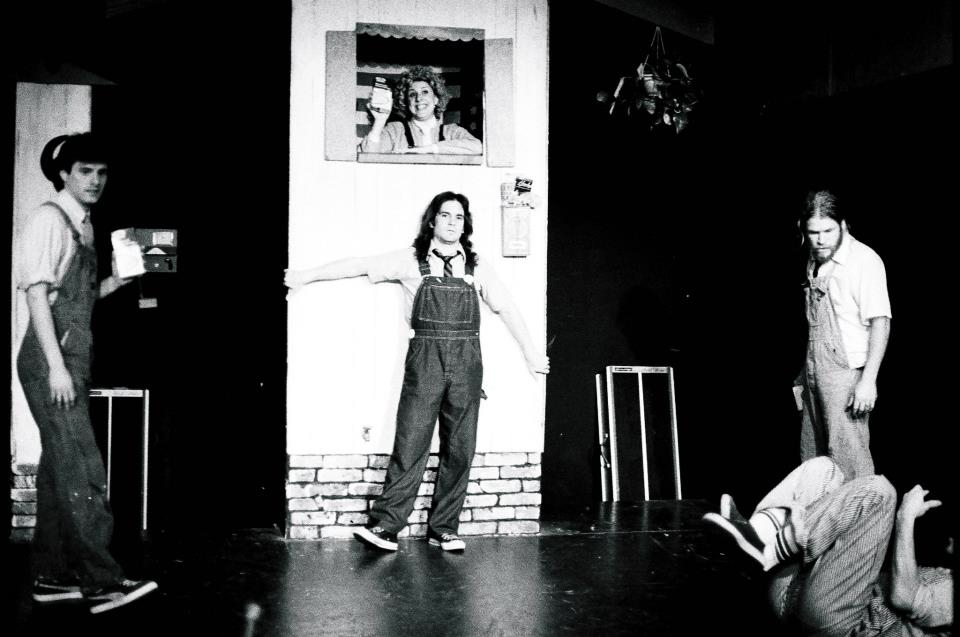 Robbie’s camera also found us in rehearsal for The Brothers Bubba.
In this photo, Gary Kroeger, Jane Muller, your author, Rush Pearson and Brad Hall are rehearsing the musical number, “Macaroni & Cheese.”
 In these photos, Brad and I are perfecting our impression of Simon and Garfunkel performing “The Boxer” — another sketch from The Bothers Bubba.
The Bothers Bubba opened at The JLA on April 1, 1982 and became the PTC’s biggest hit yet, playing to sold-out houses that demonstrated our 42-seat storefront was too small to contain our rapidly growing success.
 Events were moving quickly, success was advancing swiftly, and as Bob Dylan said, the times they were a-changing.
Less than half a year after Rob’s photos were taken, the Practical Theatre Company, in partnership with Bernie Sahlins, owner of The Second City, opened our new cabaret theatre space at Piper’s Alley with The Golden 50th Anniversary Jubilee — a collection of our best sketches and songs performed by Brad Hall, Gary Kroeger, Julia Louis-Dreyfus and your humble author.
 Robbie Mendel’s camera caught the spirit and drama of an unsuspecting cast of characters doing what they love – with no idea of what was to come.
“I remember that I had bought a camera, because the rental house I was working at in Hollywood had a bunch of guys who mentored me to get a camera and learn how to take pictures properly. I was using B&W for publicity pix for the Beggars, I believe, and that’s why they are not in color.”
Who cares about color? The classic black and white format adds to the drama of these memories: a glorious moment in time – just half a year before our lives were transformed — captured so indelibly by Robbie Mendel’s camera.
 “When I returned to Hollywood, I landed my PA job on the TV movie with Susan St. James and I laid a publicity packet about PTC on Dick Ebersol there, but I think the PTC got on his radar separately, also. These pix preceded all of that, eh?”
That’s Rob Mendel for you. I never knew (or maybe I’d forgotten) that Robbie had hipped Saturday Night Live Executive Producer Dick Ebersol to The Practical Theatre just months before The Golden Jubilee opened at Piper’s Alley.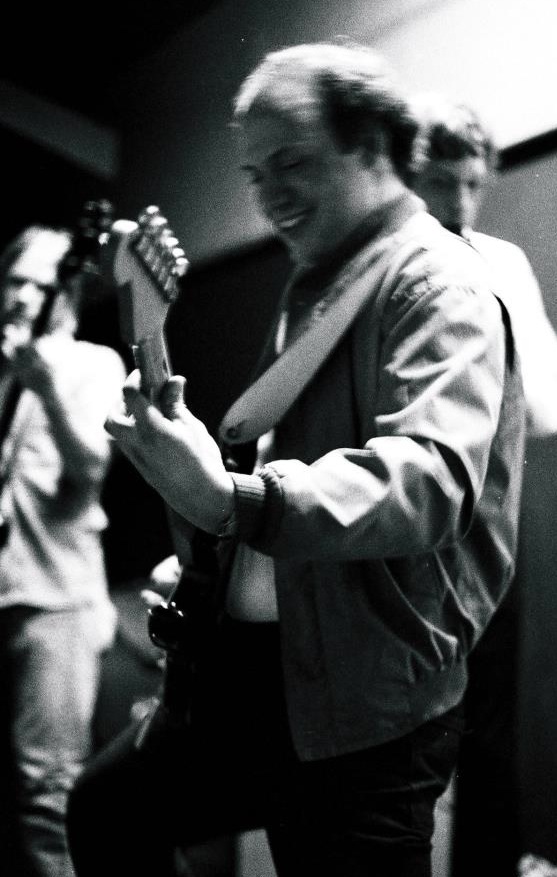 It’s another intriguing brick in the wonderwall of that seminal moment in our lives.
A Heavenly Two Minute Brain Cleanse
 Looking to take a brief break from the GOP war against modern civilization and women’s rights? Do you envision a government that has better things to do than to poke its head into your bedroom to see whether or not you’re using — egad! — contraception? Then, here’s a little more than two minutes of glorious, awe-inspiring brain food, courtesy of your Federal tax dollars, well spent!
Thanks to our good friend and fellow NU alum, Jim McCutchen, for making me aware of this stunning video.
Goodbye, Davy Jones.
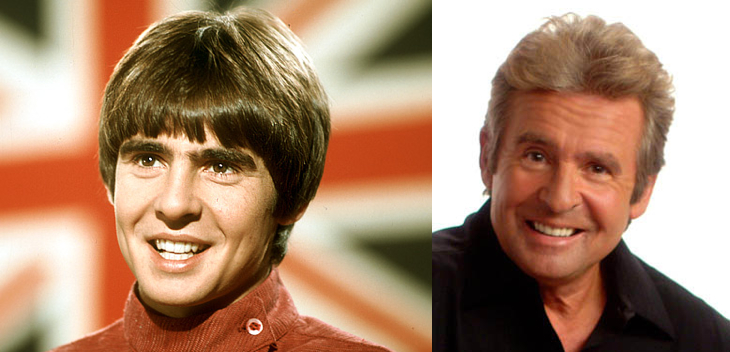 At 1:30 pm EST today, NBC News reported: “Singer Davy Jones of The Monkees has died of a heart attack at 66, the medical examiner’s office in Martin County, Fla. has confirmed to NBC News.”
This one really hurts.
 Aside from The Beatles, no band stirred my youthful soul like The Monkees. And as a short, dark-haired lad myself, Davy was an inspiration. On episode after episode of The Monkees’ revolutionary television series, Davy showed that the little guy could get the girl.
And Davy’s voice? And all those great songs? Simply wonderful.
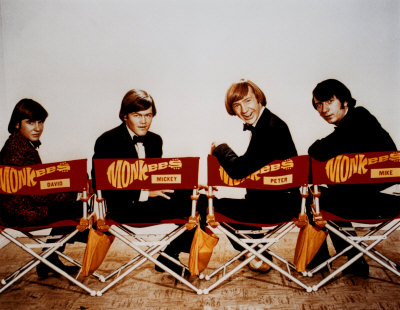 The glorious three-year period from 1966 to 1968 during which Davy Jones and The Monkees challenged The Beatles for the top of the Billboard charts were the greatest years in the history of AM radio – and the formative years of my life.
It’s hard to say where songs like Daydream Believer, I Wanna Be Free, and “Look Out (Here Comes Tomorrow)” end and I begin.
 Three decades after my youthful immersion in late 60’s Monkee Mania, I had the opportunity to write and produce The Monkees: Behind the Music. During the course of my work on that show I met and interviewed Peter Tork and Micky Dolenz, and came away impressed by their warm, easygoing and generous natures. Michael Nesmith was at the time avoiding all things Monkee – but getting Davy on board was still a possibility. So, I called him at his home in Pennsylvania.
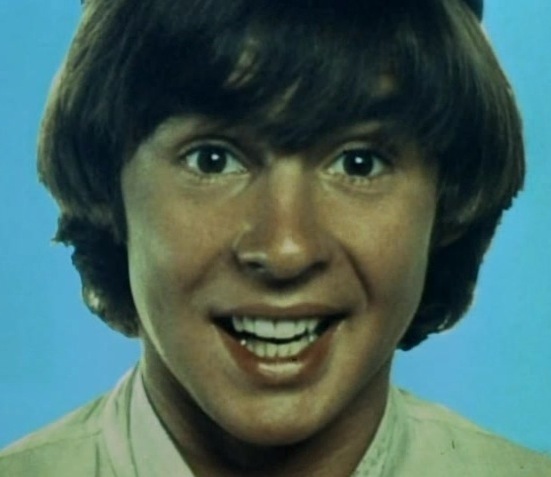 Sadly, my call with Davy revealed a conflicted and unhappy man, still struggling with the ups and down of his legendary life as a Monkee. Devoted to his family, his daughters and his horses, Davy was ambivalent about his role as a 60’s pop music icon and his current status as a fading former phenomenon. We talked for nearly an hour. I wish I had written it all down. In the end, Davy passed on being interviewed for my show — but I was honored to have the opportunity to talk to him.
 Few performers reach the heights that Davy reached. Alone among The Monkees, he was already a star when he was cast in the band. Heck, he even appeared on The Ed Sullivan Show on the same bill with The Beatles. (As the Artful Dodger in a number from the smash Broadway musical, “Oliver”.)
Much will now be written of Davy’s last years. Was he at peace? Was he still troubled? What were the states of his relationships with the other Monkees?
I hope that Peter, Micky and Mike will soon give us their thoughts on the passing of their bantam band mate. Meanwhile, Monkees fans worldwide can only say, “Thanks for the great music, Davy. And all the fun. Rest in peace.”
One Song: Four Artists
 A great song has many lives.

Those who write a song give it life – but after that, their song takes on a life of its own: shaped and reimagined through the experience, talents and style of the artists who cover it. And when the song is a great piece of work – a composition that puts a deeply human, emotional message to a beautiful melody – it will have a long life. A great song will be addressed, caressed and blessed by many musicians over the course of decades.
 Some great songs seem impossibly visionary and too emotionally mature to have been written by the callow youths who penned them.
Inspired in a dream, 22-year old Paul McCartney gave us “Yesterday” in 1965.
Since then, there have been more than 1,600 recorded covers of that classic gem.
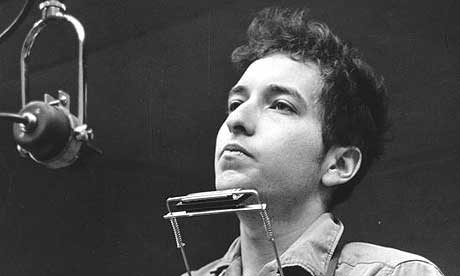 Bob Dylan was only 20 when he wrote “Blowin’ In The Wind” in 1962.
It’s amazing that such poetry, passion and profound wisdom could flow from someone not even old enough to buy a drink in the Greenwich Village folk clubs.
 And Jimmy Webb was just 19 years old when he wrote the brilliant romantic musical short story, “By The Time I Get To Phoenix” around 1965.
Listen to that song again – and picture a teenager building that heartbreaking classic, verse by verse.
 Right around the time that the prodigies Webb and McCartney were writing songs that would become standards, 16-year old Jackson Browne wrote an introspective ballad called “These Days”.
It would be nearly a decade before Browne put the song on his second album, “For Everyman”, in 1973.
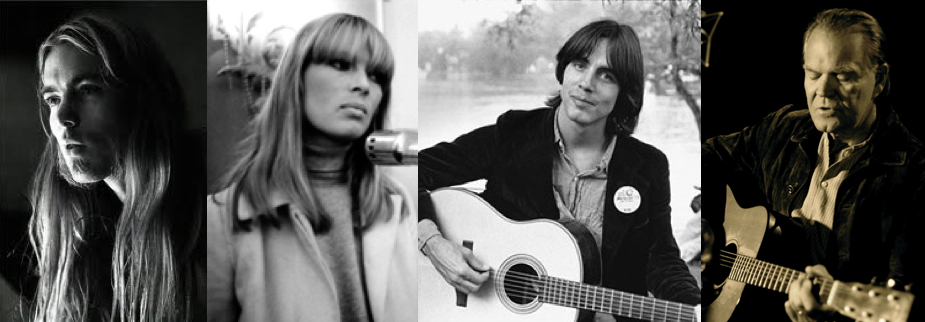
Here’s a much older Browne performing “These Days”. The song seems perfect for an older and wiser man looking back on a long, hard life. But as you listen, try to strip away the years – and picture a 16-year old kid writing such lyrics.
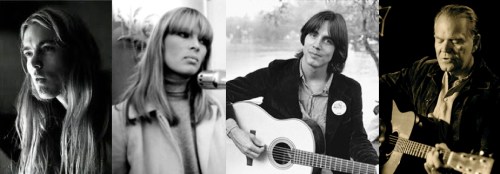
 Now, I’m not a big fan of Nico, but she did have the good taste to record “These Days” in 1967. Pay attention to the arrangement of her version. Four decades later, you’ll hear the influence of Nico’s arrangement in Glen Campbell’s 2008 cover.
 Gregg Allman recorded his own cover of “These Days” for his debut solo album, Laid Back, released in 1973, like Browne’s “For Everyman”. (Allman and Browne were both 25-years old at the time.)
Here’s 41-year old Allman performing “These Days” in 1989, harmonizing with the great Graham Nash. It’s remarkable what an additional 16 years of life experience brings to the performance of a song originally written by a kid who had only been alive for 16 years.
 The first time I can remember hearing “These Days” was when Glen Campbell featured it on his 2008 album, “Meet Glen Campbell”. Glen was 72 years old when he sang it – and listening to an older and wiser Glen connect with the song, I thought Jackson Browne had written it recently. Surely, a man with something like Glen’s years and experience created those lyrics, and the melancholy yet somehow hopeful melody they’re strung upon. Maybe Jackson had even written it for Glen? But no.
It’s just another moving example of how a great tune written by a soulful young songwriter of preternatural talent can be given new life by a great artist.


 Paul's Voyage of Discovery & Etc.